

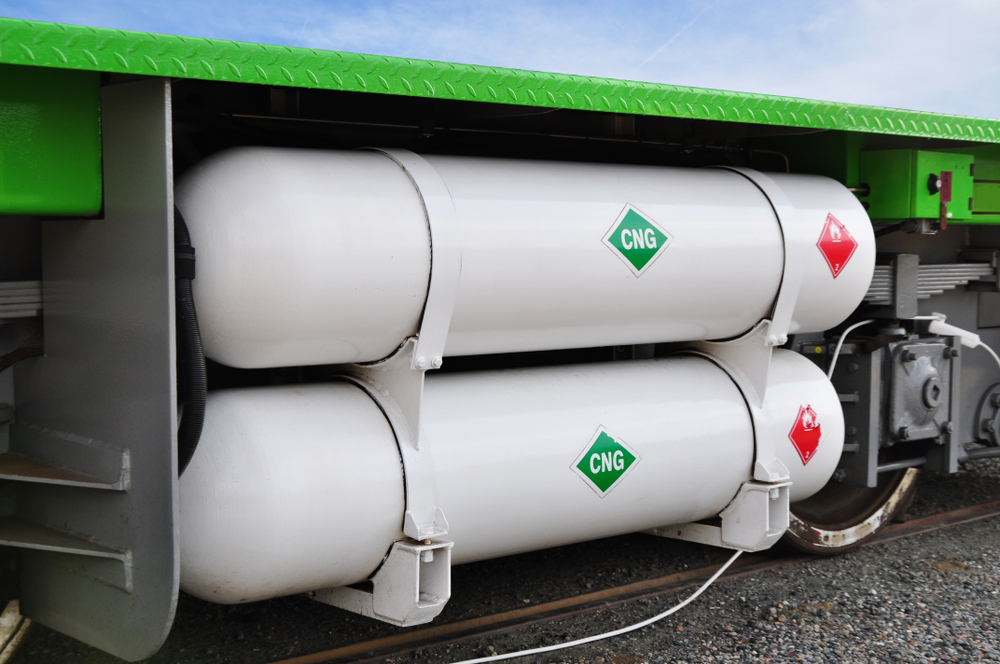
Against the backdrop of a seismic shift in domestic petrol pricing, triggered by the 2023 petrol subsidy removal, and amidst a global imperative for decarbonisation, Nigeria’s Compressed Natural Gas (CNG) industry is navigating a pivotal stage of its evolution. Positioned as a significantly more cost-effective and lower-emission alternative to conventional liquid fuels, CNG is gradually being integrated into the nation’s energy mix, with a primary focus on the transport and industrial sectors. Yet, beneath the surface of early momentum, the industry faces formidable structural and regulatory challenges that must be addressed to realise its full potential.
The State of Play: A Nascent Industry at an Inflection Point
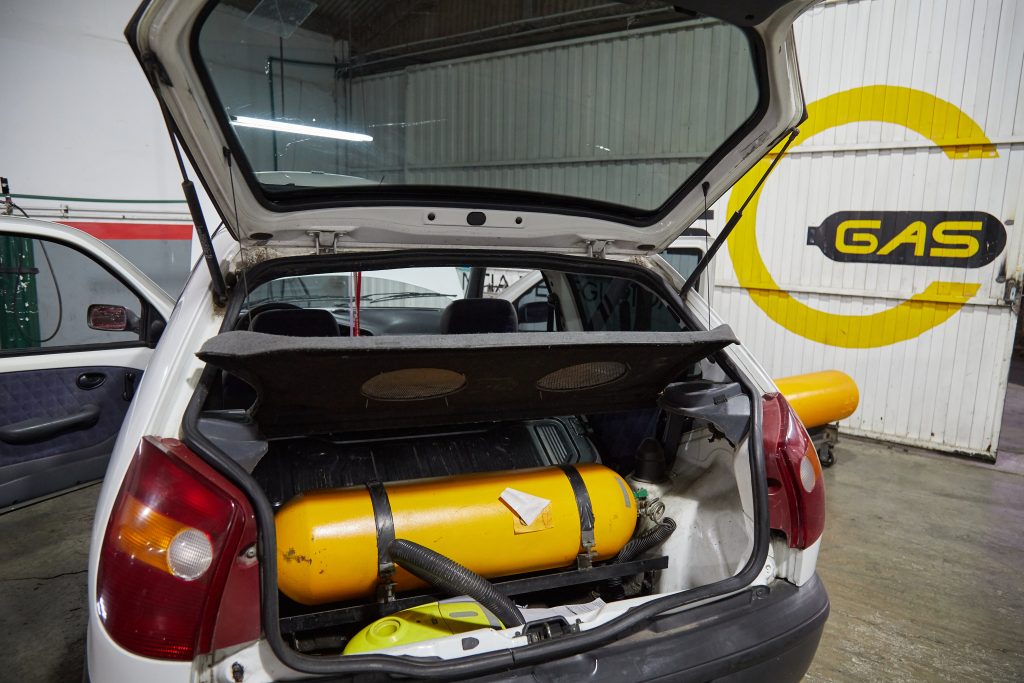
The economic logic for CNG adoption in Nigeria is compelling. As at April 2025, a standard cubic metre (SCM) of CNG cost ₦230, powering a vehicle for approximately 10 kilometres, whereas the same journey would have required an estimated ₦891 worth of petrol. This 74% cost saving is particularly attractive for commercial operators, who dominate the current conversion base. By the first quarter of 2025 (Q1 2025), the Presidency asserts that not less than 100,000 vehicles – primarily taxis, buses, and tricycles – had been converted, supported by government incentives and concessional gas pricing. However, this figure represents less than 1% of Nigeria’s estimated 12 million registered vehicles, highlighting the considerable journey ahead for meaningful market penetration. In addition, Nigeria’s CNG infrastructure remains heavily concentrated in the South-West and South-South, reflecting the location of pipelines and compression hubs. As at April 2025, the network comprised 27 mother stations, 63 daughter stations, and 242 certified conversion centres. The North and South-East lag significantly, relying on expensive virtual pipeline solutions due to limited pipeline access and high logistics costs.
Policy and Private Sector: The Twin Engines of Growth
Government intervention has been a crucial catalyst. The Presidential Compressed Natural Gas Initiative (PCNGI), inaugurated in 2023, embodies this policy-driven momentum. It has articulated ambitious targets, including the establishment of 150 new refuelling stations and facilitating one million CNG vehicle conversions by 2027. To de-risk private investment, the Midstream and Downstream Gas Infrastructure Fund (MDGIF) authorised ₦122 billion in October 2024 to co-finance critical gas infrastructure projects, thereby encouraging greater private-sector participation. In response, major industry players are spearheading expansion. Leading operators such as NIPCO Gas, Powergas, and BOVAS Group have adopted vertically integrated models, spanning compression, distribution, and in-house conversion services. Others, including Tetracore Energy and Green Fuels, are investing in mobile refuelling units (MRUs) and regional partnerships to expand access. However, the lack of a robust maintenance ecosystem (only 320 certified technicians nationwide), poses risks to service reliability, especially compared to markets like Argentina, which boasts over 5,000 certified CNG technicians.
Structural Headwinds: Addressing Systemic Barriers
Despite evident progress, Nigeria’s CNG industry continues to grapple with significant systemic challenges that constrain its expansion. Foremost among these are economic and financial barriers: the upfront conversion cost of ₦900,000 to ₦1.6 million per vehicle ($580 – $1035) @ ₦1,545/$ remains prohibitive for most private motorists and small commercial operators. This is higher than in India ($300 – $500), Pakistan ($400 – $600) and Egypt ($500 – $800). Although financing initiatives such as the Credit Access for Light and Mobility (CALM) Fund have been introduced, their penetration and impact remain limited. The industry’s exposure to exchange rate volatility further complicates affordability. While feedgas is priced concessionally at $1.57/MMBtu, transactions are settled in naira, leaving downstream prices vulnerable to depreciation. This risk is exacerbated by reliance on imported conversion kits and refuelling infrastructure, which are subject to global supply chain disruptions and foreign exchange-driven cost inflation.
Infrastructural and regulatory impediments also hinder growth. Land acquisition challenges in congested urban areas, coupled with bureaucratic delays and inflated costs, slow infrastructure deployment. Crucially, key fiscal incentives – such as VAT waivers and import duty exemptions – are granted via executive orders rather than statutory legislation, creating policy uncertainty and the risk of reversal with changing administrations. Finally, public scepticism regarding CNG safety remains a significant barrier. Negative media coverage of incidents involving unregulated installations and substandard equipment has eroded consumer confidence, underscoring the urgent need for robust safety standards and public education campaigns to foster trust and wider adoption.
Opportunities and Outlook: Pathways to Scale
Nigeria’s CNG industry exhibits long-term potential, driven by strategic public-private initiatives and evolving market dynamics. State governments, particularly Lagos and Kano, are spearheading pilot programmes to transition public transport fleets to CNG, though current scales, such as the federal government’s 85-bus rollout, pale in comparison to regional peers like Egypt’s 2,400-strong CNG bus network. At the same time, industrial adoption is gaining traction, with off-grid manufacturers in sectors such as textiles and ceramics slashing diesel costs by up to 60% through virtual pipeline solutions that bypass infrastructure gaps.
The industry’s prospects are further bolstered by localisation opportunities and regional export potential. Incentivising domestic kit assembly could leverage Nigeria’s $6.7 billion automotive parts market to reduce foreign exchange exposure, targeting 40% local content by 2027 – a strategy mirrored in Iran’s 90% self-sufficiency achievement. Meanwhile, West Africa’s projected 11% annual growth in CNG demand positions Nigeria as a potential regional hub, with virtual pipelines enabling exports to neighbouring markets like Ghana and Benin. Agusto & Co. Believes that these drivers, coupled with targeted policy support and consumer financing innovations, underscore the industry’s capacity to transcend current constraints and anchor Nigeria’s transition to affordable, sustainable energy.
With proven natural gas reserves exceeding 208 trillion cubic feet (TCF), the largest in Africa, Nigeria possesses an enviable resource base. This, combined with strong policy support and a compelling economic value proposition, positions CNG to play a pivotal role in the nation’s energy transition, offering a pathway to reduce the national carbon footprint and lessen the economic burden of energy costs.
Conclusion
Nigeria’s CNG industry stands at a defining moment. Early progress, driven by compelling economics and policy momentum, has laid the groundwork for broader adoption. Agusto & Co. Believes that the industry’s future hinges on its ability to overcome entrenched structural barriers – affordability, infrastructure, regulatory fragmentation, and public perception. By adopting global best practices, localising manufacturing, and fostering public-private collaboration, Nigeria can unlock the full potential of CNG as a cornerstone of its energy transition. The journey ahead demands bold policy action, innovative financing, and unwavering commitment to sustainable growth.